


Hamedsoft Engineering Group
Heat treatment and Advanced NDT
Also manufactures of thermal equipment in numerous industries including power generation, oil and gas industries.
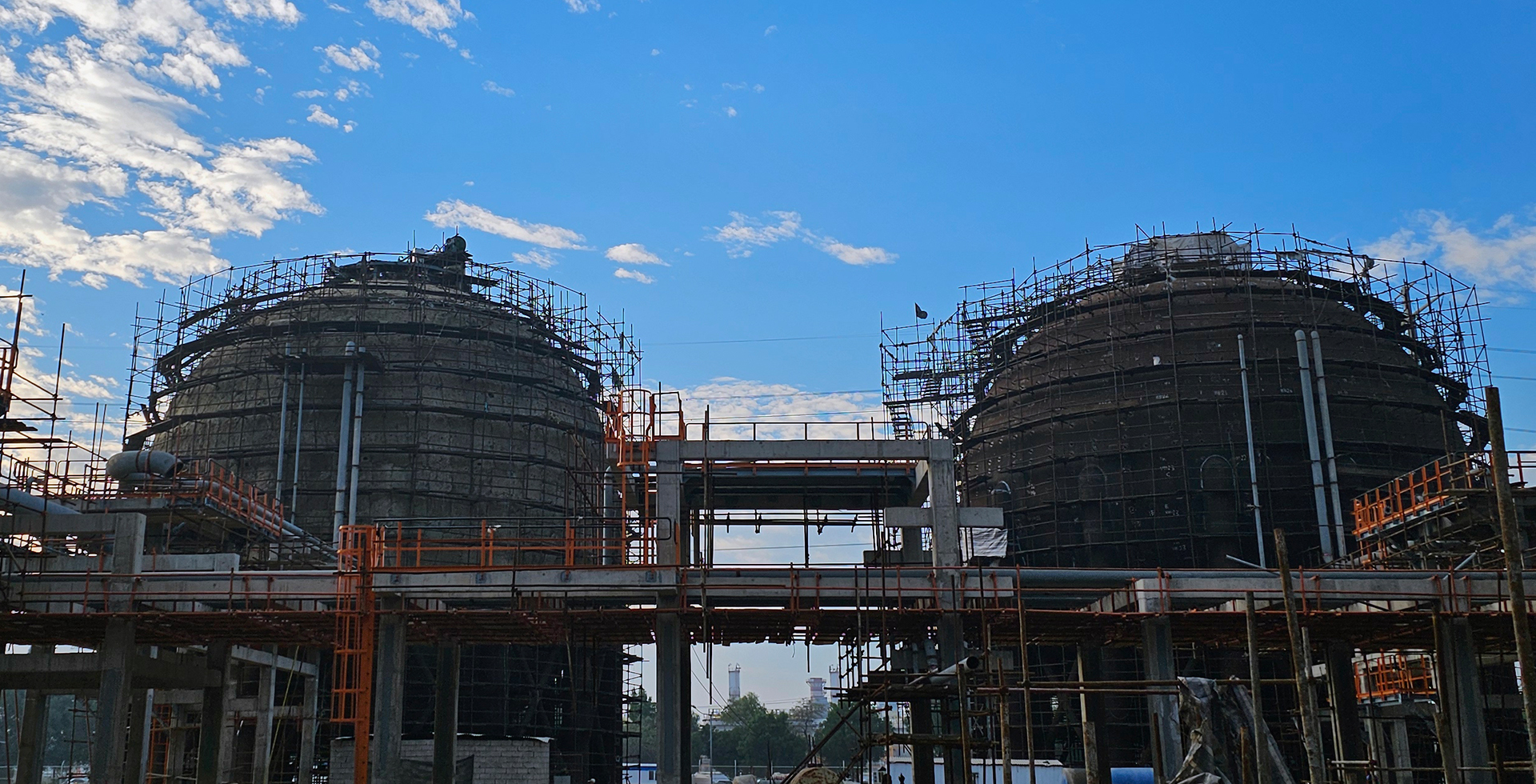
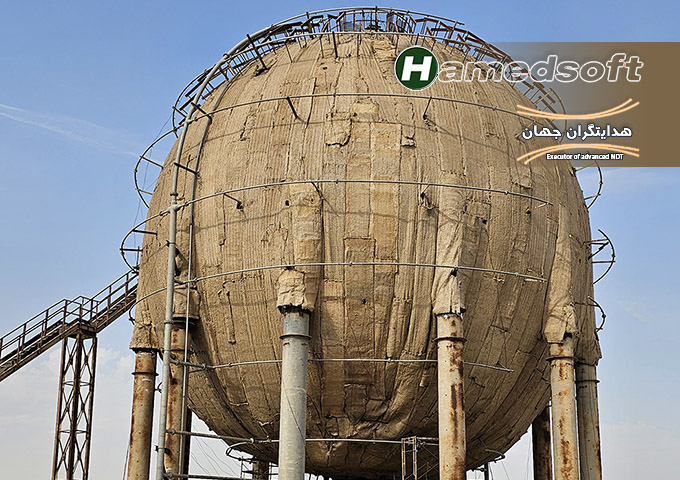
- Any kind of heat treatment on any kind of shapes, like Spherical tanks, Towers, Raactors, Pipeline, ...
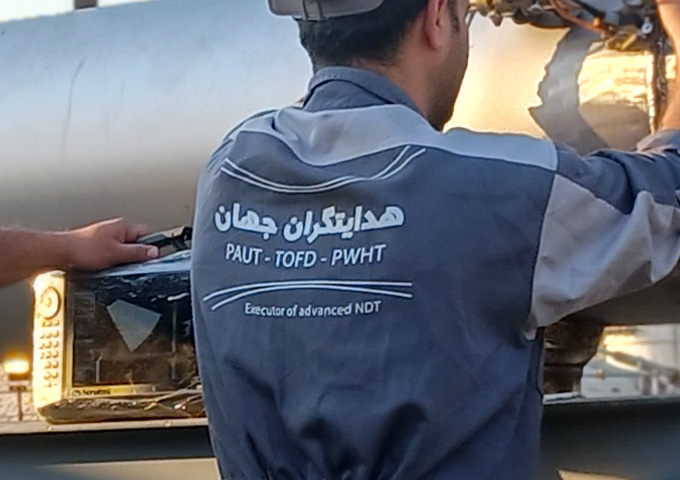
- Advanced NDT services on Headerboxes, Storage Tanks or other metal products.
- Produce, Maintenance, Upgrade the PWHT and heat treatment machines.
- The most powerfull company for PWHT on spherical tanks.
14
years of experiences
84
Happy Clients
167
Successfull projects
PWHT and Advanced NDT
Latest Projects








Ask us
Our specific servicesا


FAQ
Usually ask us
What Factors Affect PAUT Probe Selection?
1. Material type (carbon steel, stainless steel, aluminum, composite materials) 2. Part thickness 3. Expected type of defect 4. Type of inspection (weld inspection, corrosion, forged parts, cast parts)
Hamid Mohammadi
QC - QA
Why Stress Relief Matters
If stress relief (PWHT) is not carried out after welding, the weld and the part are exposed to various mechanical and metallurgical issues that usually manifest sooner or later. In short: a weld without stress relief is like a compressed spring that may release at any moment.
Hamed Changizi
CEO
Is a Higher Number of Elements Always Better in PAUT?
No. A higher number of elements usually offers technical advantages, but the probe and equipment cost is higher, the amount of data increases, and not all devices support probes with a large number of elements.
Hamid Mohammadi
QC - QA
What Are the Advantages of PAUT?
High inspection speed; higher accuracy compared to conventional UT; the ability to image defects (such as a weld cross-section image); recording and storing results for later review; better detection of cracks, porosity, and lack of fusion.
Hamid Mohammadi
QC - QA
Main Consequences of Not Performing Stress Relief
Delayed cracks: high residual stresses cause cracks that may appear hours or days later. Distortion of the part: internal stresses cause unwanted deformation, especially in large structures. Reduced fatigue life: the part fails sooner under cyclic loading. Stress concentration in the weld zone: causes premature failure in service. Reduced impact resistance: especially in alloy steels, toughness decreases. Reduced dimensional stability: machined parts later deform. Increased risk of brittle fracture: especially in high-carbon steels or thick parts.
Hamed Changizi
CEO
Results of Stress Relief Testing (PWHT)
Stress relief by controlled heating of the part (typically 550 to 650 degrees for steels) results in: reduced residual stresses, a more stable microstructure, and predictable part behavior in service.
Hamed Changizi
CEO
awesome partner
Our clients


address:
#143 Firoozi Street, Baghershahr, Tehran Iran
email:
info@hamedsoft.ir
PHONE NUMBER:
+98 (912) 380 8861